1. Stay out and call
Keep everyone out of the space and do not touch what you see. The team asks a few questions to plan the job.
Lexington, OH · Richland County
Worried about what a few pipes and baggies might have left on the floors and furniture? Call (877) 812-4220 in Lexington. Cleanup crews remove the items and treat surfaces where residue may remain.
If anyone is in danger, call 911 first. For a suicide crisis, call or text 988.
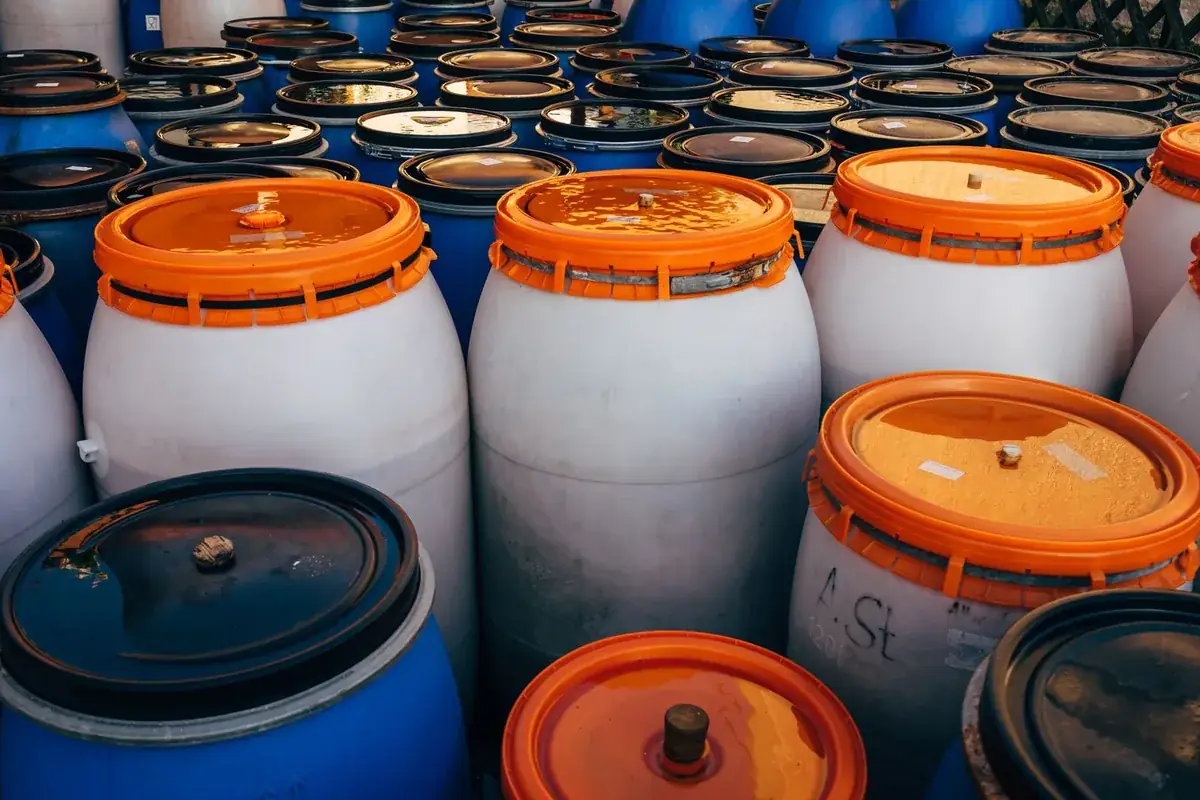
Drug paraphernalia cleanup is the safe removal of used syringes, pipes, bags, foil and other items left behind from drug use. Cleanup crews also clean and disinfect surfaces where residue may remain.
Families in Lexington and Richland County who need help after a loved one's crisis can call Lexington Biohazard Cleanup Help. Crews clear the room calmly and quietly and can arrive in an unmarked vehicle if privacy matters to you.
Housing in Richland County is about 8% vacant. An empty building and an occupied one both need a careful search for hidden items. If anyone is unresponsive or hurt, call 911. The nearest emergency room to Lexington is Avita Ontario in Ontario, about 6 miles away.
The work often covers:
Keep everyone out of the space and do not touch what you see. The team asks a few questions to plan the job.
Cleanup technicians collect sharps, bag soiled items and lift loose debris using tools.
Remaining paraphernalia is removed, and surfaces with residue are cleaned or taken out.
The team removes the waste and shares what was done so the owner can keep it on file.
The cost of drug paraphernalia cleanup in Lexington, OH depends on the amount of material, how it is packed and how it is hauled.
How many items and sharps are present changes the scope, because each needle has to be found, lifted and sealed.
| Type of job | Typical range |
|---|
These ranges come from published cost guides () and are not a quote for Lexington. Price drivers include amount of material, whether residue is present, surfaces affected, waste disposal. For a real number, call (877) 812-4220.
Often, yes. Many teams can arrive in an unmarked vehicle and work quietly. If privacy matters, ask about it when you call. The crew shares only what it needs to plan the work.
Loose syringes should never go in household trash, because they can stab sanitation workers. Other items may carry residue. A cleanup team seals and disposes of everything the safe way.
In many cases the person who calls does not need to be at the property. Ask the team how access and keys can be arranged. If you are out of town, say so when you call. Many teams can arrive in an unmarked vehicle.
The owner of the property usually pays at first. Lease terms and local law decide who is responsible in the end. A landlord, an attorney or a tenant rights group can say. Keep any record the cleanup team gives you, since a landlord or insurer may ask for it.
Vehicles can hold syringes, residue and odor in seats, carpets and vents. Ask whether the team cleans vehicles and how soft materials are treated. Crews use the same protective gear and sealed containers as in a building.
No. This page explains how drug paraphernalia cleanup works. It is not medical, legal or insurance advice. For symptoms, contact a doctor or Poison Control, and for legal questions, ask an attorney.
If anyone is hurt or unresponsive, call 911 first, then call for cleanup.
Call (877) 812-4220